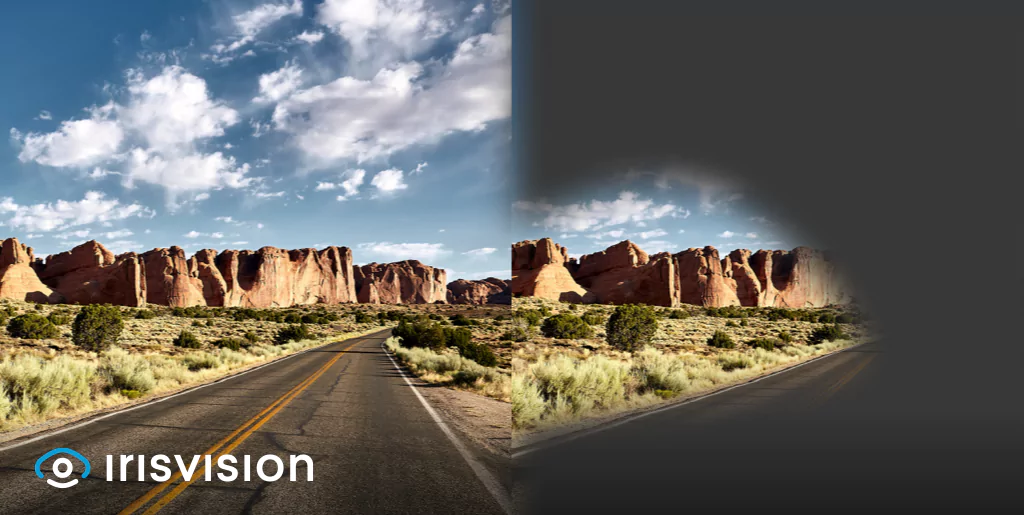
Retinitis pigmentosa is an inherited eye condition that causes the retina to slowly deteriorate, resulting in gradual loss of vision.
The retina is a thin layer of tissue in the back of the eye that allows you to see images. As retinitis pigmentosa progresses, the cells in the retina slowly die off. Your vision becomes blurry and you eventually lose your peripheral and night vision.
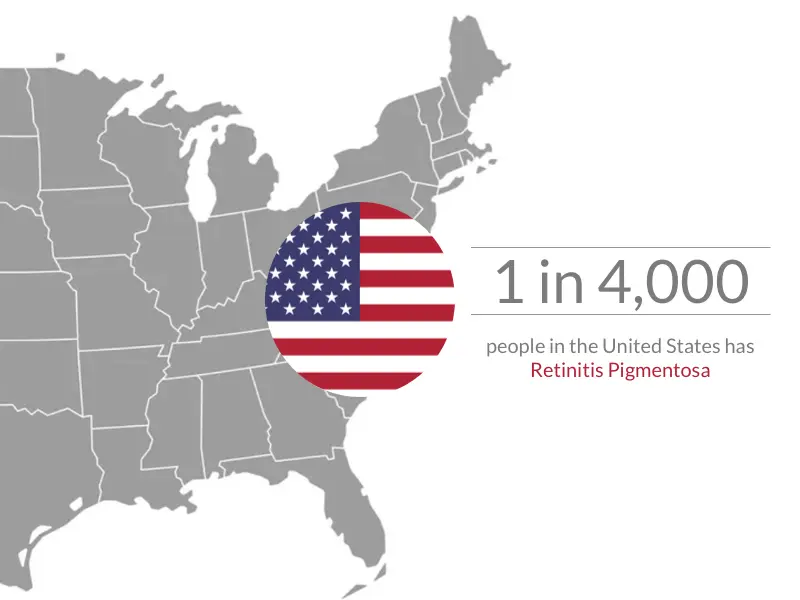
It is a rare disorder, affecting about 1 in 4,000 people in the United States, as reported by the National Institute of Health.
As the disease progresses, people with RP lose their peripheral and night vision, eventually going blind. Although there is no cure, there are various treatment options for this condition that can help manage vision loss.
There can be some loss in visual acuity (clarity) even during childhood.
How Is Retinitis Pigmentosa Caused?
In retinitis pigmentosa, the light-sensing cells within the retina slowly deteriorate and eventually stop working. The most common cause is a genetic defect that disrupts the function of these light-sensing cells.
Most people with retinitis pigmentosa can identify large letters on the standard eye chart at a distance of 20 feet or less by the time they reach their teenage years. Most can read large print and recognize faces at this distance as well.
As their condition worsens, however, their eyesight further declines until they need to wear very thick glasses or contact lenses to see clearly.
Eventually, most people with RP will become legally blind because their central vision becomes too dim for them to read or drive safely. This usually occurs before age 40.
Although retinitis pigmentosa can affect both eyes, it usually affects only one eye at first. But as the disease progresses, both eyes become affected.
Symptoms of Retinitis Pigmentosa Include:
Some forms of this disease stem from usher syndrome that do cause vision problems such as retinitis pigmentosa, but they may also affect other parts of the body. such as hearing, balance, and bone development.
-
Gradual worsening of vision during childhood or adolescence
-
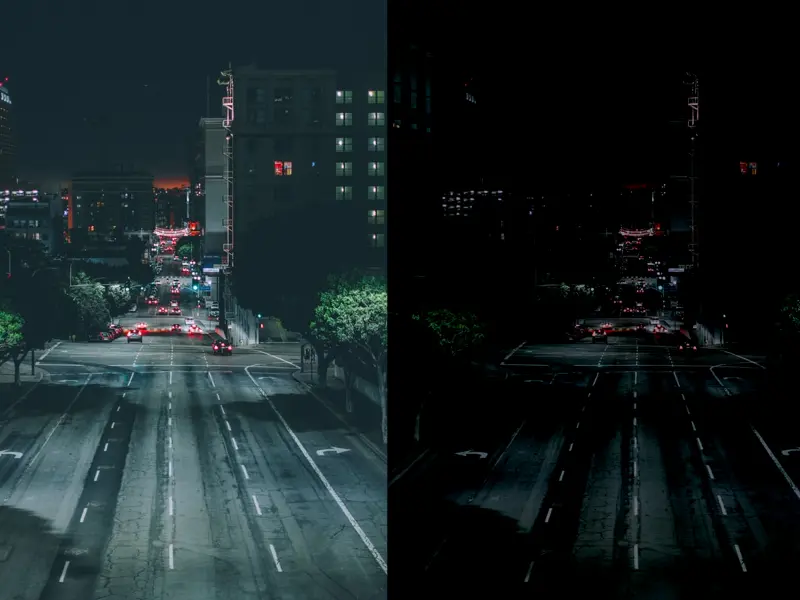
Night blindness (difficulty seeing in low-light situations)
-
Central vision loss (the ability to see objects straight ahead)
-
Loss of peripheral vision (also known as Tunnel Vision)
-
Painless swelling of the retina
Tips to Prevent Vision Loss Caused by Retinitis Pigmentosa
It’s important to follow your doctor’s recommendations for regular eye examinations and other tests to monitor your condition. This will help identify any signs of disease progression.
Tests such as visual field testing and electroretinography may help monitor your condition by detecting changes in your vision before you notice them yourself.
If the diagnosis of retinitis pigmentosa (RP) is confirmed, you can prevent further vision loss by taking some precautions such as:
-
Avoid places with too much light.
-
Night vision goggles can help improve night vision by enhancing light levels.
-
Low-vision aids such as IrisVision come with a dedicated RP Mode designed especially for people with retinitis pigmentosa, enabling them to change the ‘Field of View’ (FOV), magnifying objects etc.
-
Some people with retinitis pigmentosa suffer from poor color perception. Color filters may help some individuals distinguish colors better.
-
Tinted lenses may help reduce glare and improve contrast sensitivity for some people with retinitis pigmentosa.
-
A healthy diet can reduce your risk of developing retinitis pigmentosa, especially foods that are rich in antioxidants such as vitamin A i.e. dairy products, beef liver and fish oils. Antioxidants help protect the eyes from damage caused by free radicals, which are harmful byproducts produced when the body breaks down food or is exposed to tobacco smoke or radiation.
-
Avoid eating saturated fatty foods, fried foods and sugary drinks, for more information click here.
-
Wear sunglasses with UV protection. Ultraviolet (UV) rays have been linked to increased risk of eye conditions, which can affect people with RP even more than they do in the general population.
-
Exercise regularly. Some studies indicate that exercise may play a role in preventing degenerative eye diseases such as retinitis pigmentosa and age-related macular degeneration (AMD). Regular exercise may also help reduce your risk for other health conditions such as heart disease, type 2 diabetes, stroke.
-
Wear protective eyewear during sports and other activities that could cause injury to your eyes. Even minor eye trauma can lead to further vision loss in people with RP, particularly if they have 20/200 or worse vision due to RP (legal blindness).
Treatment Options for Retinitis Pigmentosa
The severity of RP varies greatly from person to person. People with mild symptoms may live for many years without needing any help from others. People with severe symptoms usually need help from friends or family members from as early as their teens onward in order to function independently.
Treatment options may focus on slowing or stopping disease progression, but there is currently no cure for retinitis pigmentosa.
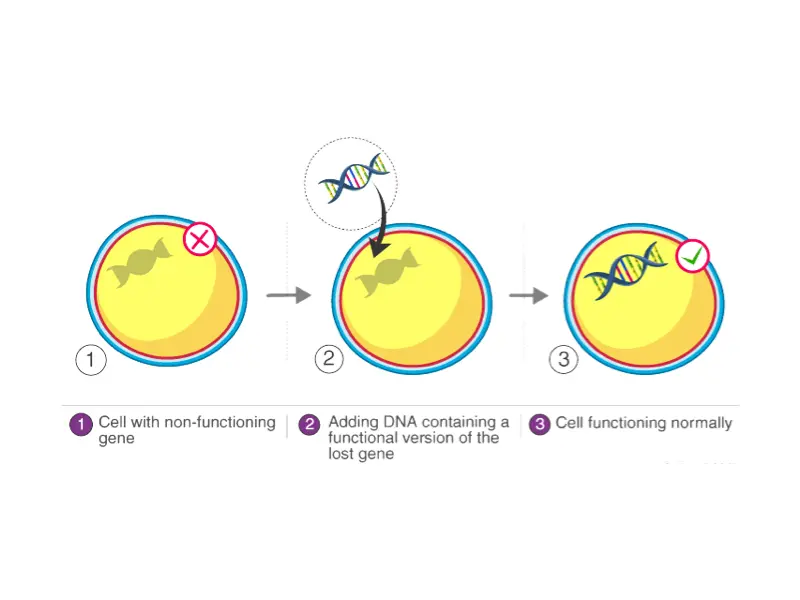
Gene therapy is categorized as one of the viable medical interventions that replaces defective genes with normal ones. Clinical trials are currently underway for gene therapy treatments, where efforts are being made to find the problematic gene(s) for various types of cases of RP.
Photodynamic therapy delivers drugs to your retina by injecting them into your bloodstream, which then absorbs light and activates the drug. This treatment destroys diseased cells in your retina and prevents further cell death.
Other treatment options include RP Stem Cell Treatment, Retinal Implants, etc.
If you are at risk for retinitis pigmentosa, it is important to visit your doctor for regular eye exams. Your doctor may be able to prevent blindness or slow down the progression of RP by prescribing certain vitamins and medications.
A Trip Down Memory Lane
How Is Retinitis Pigmentosa Caused?
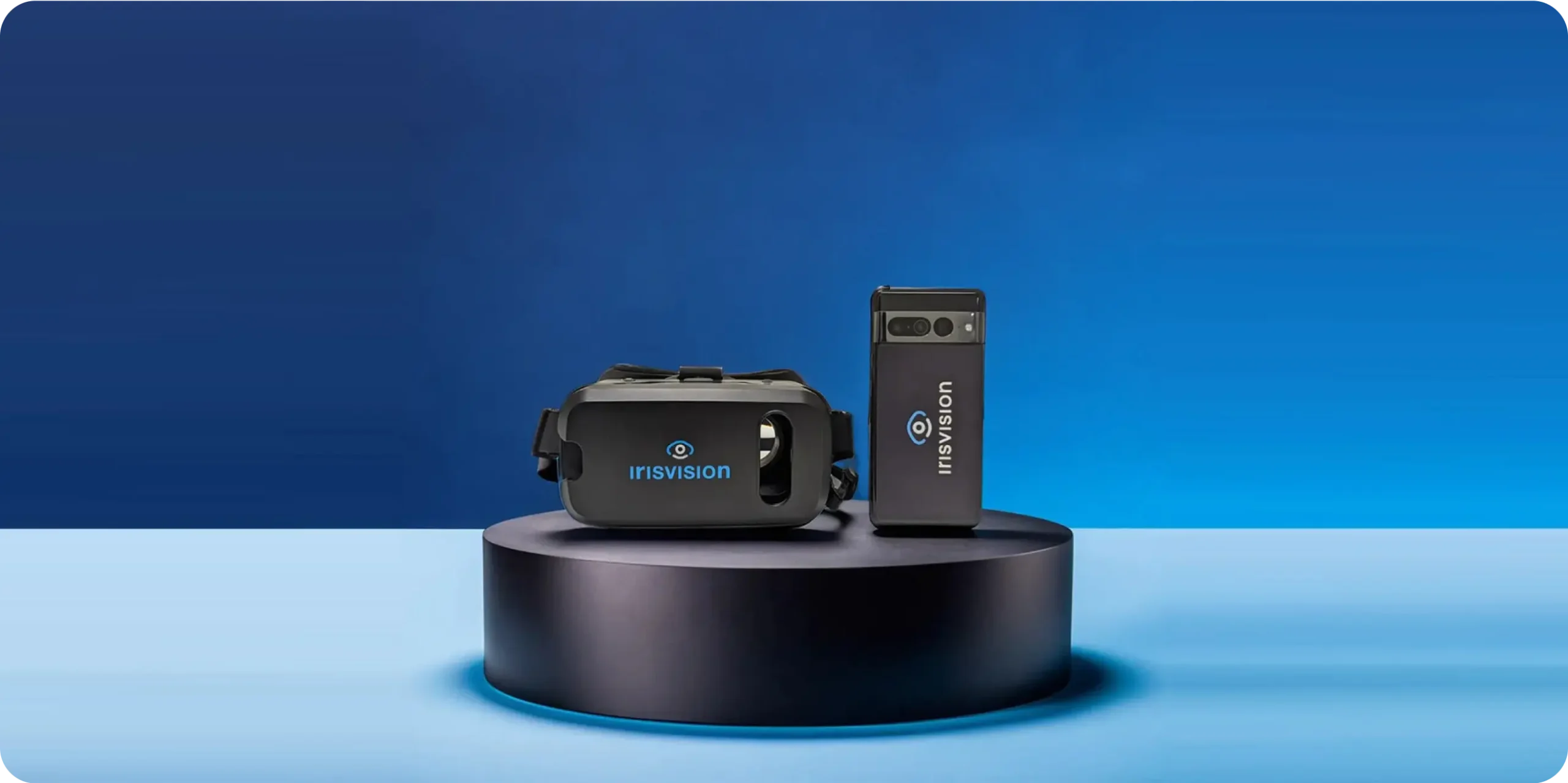
Sam Seavey begins the video with a touch of nostalgia, reflecting on his journey with our wearable Low-vision devices, starting from IrisVision 1.0 which he reviewed as the first device on his YouTube channel. It’s a testament to how far we’ve come in assistive technology, with the IrisVision Vista standing out as a beacon of progress.
What to Expect from the Video?
“This wearable, hands-free low-vision headset — controlled by voice or a simple remote — offers video magnification, color filters, and more.”
-Sam Seavey
Key Highlights from the Video
Advanced Hardware
The IrisVision Vista features a high-quality built-in camera and display, enhancing the overall user experience.
New Headset Design
The redesigned headset is more comfortable and includes new features like independent focus dials for each eye and an inter-pupillary distance (IPD) dial, catering to a wider range of users’ needs.
Enhanced Controls
The device has transitioned from onboard controls to a Bluetooth remote control and now
supports voice commands, offering users greater flexibility and ease of use.
The device has transitioned from onboard controls to a Bluetooth remote control and now supports voice commands, offering users greater flexibility and ease of use.
Vision Cast
This feature lets users cast content — including hands-free YouTube — directly to the headset, providing an immersive viewing experience akin to sitting in a virtual movie theatre.
User-Friendly Setup and Operation
Setting up the IrisVision Vista is straightforward. The first screen helps users adjust focus and IPD. Sam demonstrates the ease of these adjustments, ensuring that even first-time users can get started with minimal hassle.
Versatile Modes for Different Needs
The Blind Life explores the various modes available on the device, such as:
Reading Mode: Offers light and dark modes for better reading contrast.
Iris (voice-first assistant): Quickly captures and reads text aloud, a feature praised for its speed and accuracy.
RP Mode: Tailored for individuals with retinitis pigmentosa, optimizing the visual field for their specific needs.
Television and Outline Modes: These modes adjust the display settings for different activities, enhancing usability.
Watch the Full Review
To see the IrisVision Vista in action, check out Sam Seavey’s video below:
https://www.youtube.com/watch?v=UrIdkIfoWZw
Join us in embracing this technology and discover how the IrisVision Vista can enhance your daily life. For more information, feel free to explore the links in the video description and don’t forget to subscribe to Sam’s channel for more insightful content.