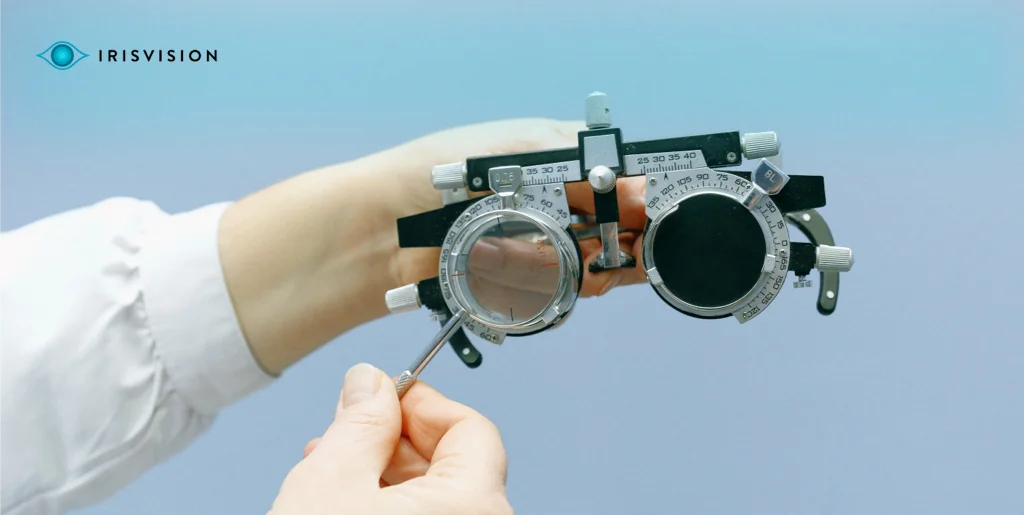
The time spent with an ophthalmologist to get an eye exam is an investment made for a healthier, independent life. Going through an eye exam is quite simple and takes less than 90 minutes. Before any eye exam is conducted, an ophthalmologist will examine and review your general health by inquiring about your medical history, any medications previously or currently being taken, whether or not you wear corrective lenses or low vision aids, and so forth
What’s most important to understand is the difference between visual acuity tests and “eye examinations”.
Did you know?
Only half of the 93 million US adults at high risk for vision loss visited an eye doctor in the past 12 months reported in The Centers for Disease Control and Prevention 2020.
Difference between Visual Acuity Tests & Eye Examinations
Visual acuity tests or vision screenings are defined as simple procedures carried out by opticians or nurses to check for abnormal visual acuity or any vision problems.
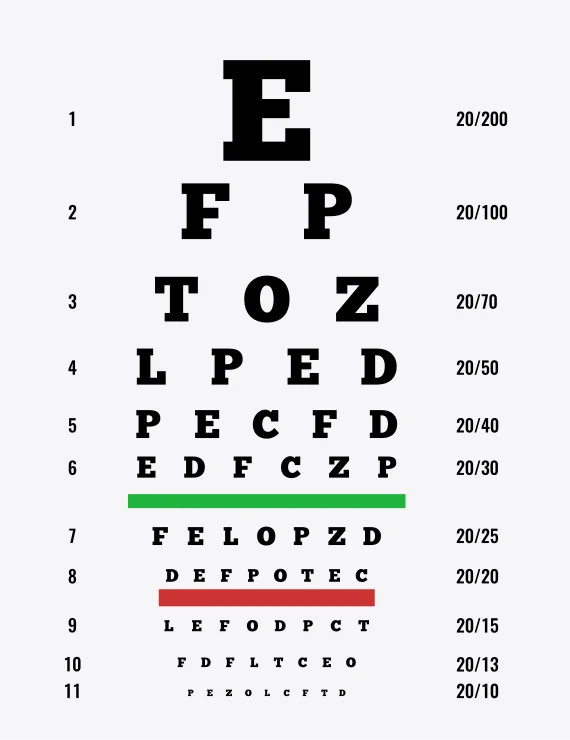
The tests or screening require individuals to identify characters or letters from 20 feet away, using each eye individually. These tests are quick, inexpensive, and do not require any formal training. If the test results are lower than a 20/40 level, the individual is then referred to an eye specialist for corrective lenses, contacts, or further medical treatment.
However, a comprehensive eye examination can only be performed by an ophthalmologist. The all-inclusive procedure of the examinations includes vision screenings along with a series of other tests to examine any symptoms of serious eye diseases i.e. glaucoma, macular degeneration, injury, damage, etc. Early detection and treatment before the damage becomes irreversible is critical.
Importance of Routine Eye Examinations
- Good Vision at an Early Age
Only 39% of pre-school children have had their vision tested to diagnose eye diseases. The Centers for Disease Control and Prevention 2020.
The early stage of childhood is considered the right time to exercise the importance of eye exams. The early years of a child’s life are regarded as the growth stage, a phase dedicated to learning in and outside the classroom, which as a result can cause strain and now, due to the ever-increasing amount of screen time, increased exposure to digital strain.
Prioritizing visits to the eye specialist or ophthalmologist in the early stages of childhood will more likely result as a permanent part of the routine once children reach adulthood. An annual eye exam should become a mandatory exercise – a preventive and efficient way to ensure children do not suffer from any eye-related issues or diseases.
The ability to see with clarity and comfort will go a long way in contributing towards a child’s academic success as well as other co-curricular activities.
- Vision Correction
Routine eye exams are vital in identifying, and subsequently treating, any vision problems, e.g. nearsightedness, farsightedness, etc. The possibilities of being diagnosed with an eye condition are endless starting with genetic disorders and stretch to a side effect of diabetes. Always consult an eye specialist or an ophthalmologist prior to changing your prescription or shifting to a new one. To counter issues of low vision or enhance visual acuity of leftover sight, you may be advised to wear contacts or low vision aids recommended by an ophthalmologist.- Protecting Your Eyes in the Digital age
People across the globe are surrounded by digital means of communication whether it’s staying connected to friends or family through WhatsApp, or learning a new skill on YouTube. Every task in our daily routine involves a screen e.g. computers, phones, gaming consoles, televisions, etc.
An average American user spent a quarter of their waking time on their mobile device in the year 2020: which is estimated to be 4.3 hours while mobile commerce accelerated simultaneously, as reported in Forbes. This shift in the usage of electronic devices demands essential care towards the health of our eyes.
- Prevention from Serious Eye Conditions
As discussed above, immediate management of vision problems is one of the benefits of routine eye exams. But most importantly this process allows for the early detection of serious eye conditions such as glaucoma, or macular degeneration which may cause irreversible damage. Immediate response and treatment can be provided by an ophthalmologist that is aware of your medical history and conditions, in an attempt to control further damage by serious conditions like glaucoma which is the leading cause of blindness worldwide (National Center for Chronic Disease Prevention and Health Promotion 2020)
How Often Should You Get an Eye Exam?
Each age-group requires routine eye tests and examinations but the frequency varies and mostly increases as age increases. The American Academy of Ophthalmology (AAO) reports infants are marked as a high-risk category and should be immediately diagnosed for potential childhood cataracts, glaucoma, or metabolic and genetic disease. Children who’ve reached the school-age should have annual routine eye exams to test visual acuity and ocular alignment.
Whereas the following is applied for adults based on different age brackets:
- The 20s and 30s: every 5-10 years
- 40 to 54: every 2-4 years
- 55 to 64: every 1-3 years
- 65+: every 1-2 years
How Eye Tests and Exams Are Conducted By Ophthalmologists?
-
Visual acuity Tests: The most commonly known eye screening which requires an individual to read an eye chart that determines visual acuity.
-
Pupils Check: This procedure involves flashing a bright beam of light into your eye to check how your pupils respond to it. If the pupils are wide or unresponsive, the individual could be suffering from an eye condition or issue.
-
Peripheral Vision: Any issues faced with peripheral vision may indicate it to be a symptom of glaucoma.
-
Tonometry: A test conducted to check the pressure within your eye. An eye specialist will use a tonometer to give a quick puff of air onto the eye or gently apply a pressure-sensitive tip near or against your eye, a way to diagnose serious eye conditions like glaucoma
-
Retinal Tomography: Responsible for detecting any issue or damage to the retina and its layers e.g. age-related macular degeneration or retinal detachment, done through a computerized test. Another way of checking the retina is through putting dilating eye drops in your eye to examine your retina and optic nerve for any signs of damage from a disease.
-
Ultrasound: Ophthalmologists use this ultrasound to get visuals of the eye from the inside, to diagnose and treat serious eye conditions such as cataracts, or bleeding in your eye.
Routine eye exams present long term, cost effective benefits and overall improved quality of life. The early detection aspect of consistent eye exams decreases your risk of contracting serious diseases like glaucoma and undergoing complex and costly procedures. An easier and effective approach to improving your quality of life and those you care about.