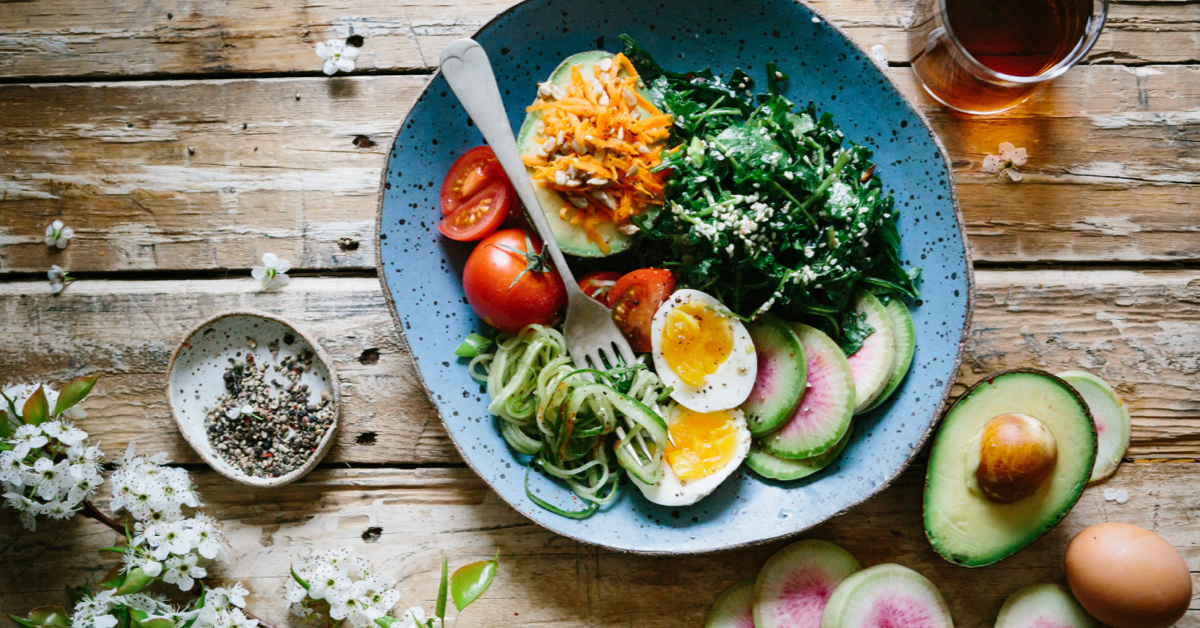
A balanced and nutritious diet is one of the cornerstones of good health, and it becomes all the more important if you want to have healthy, disease-free eyes.
So what would be the ideal diet plan to help protect your eyes from Retinitis Pigmentosa?
Now unsurprisingly, most of these foods are green and leafy, and it may leave you a little disappointed to see that your favorite mouth-watering delights haven’t made it to this list.
Nonetheless, by the time you finish reading this article, you will have a directory of foods brimming with vitamins and minerals that are most useful to stall the effects of Retinitis Pigmentosa!
Before we dive into the details, let’s quickly go over some important facts for Retinitis Pigmentosa.
What is Retinitis Pigmentosa?
Retinitis Pigmentosa is an inherited degenerative eye disease that affects the retina of the eye. As it is passed through genes, the likelihood for it to occur in an individual can be assessed by looking at family history.
Given the fact that RP is a genetic disease, you might ask yourself if your food choices even matter?
Yes.
Let’s see how.
Can Diet Really Make a Difference?
A nutrient-rich diet can help slow down the progress of Retinitis Pigmentosa.While this disease can neither be cured nor can it be prevented from occurring, some selective choice of foods can have the power to decelerate the speed of vision loss.
The nutrients that are most essentialfor this cause include Vitamin-A, Zeaxanthin and lutein, Zinc, Vitamin-C, E, and Omega-3 fatty acids.
Given below is a curated list of fruits and vegetables that are rich in these vitamins, and are also safe for people who have Retinitis Pigmentosa.
Foods You Should Eat
-
Green Leafy Vegetables
Spinach, kale, broccoli, collards, green peas, and parsleys are some of the green foods that are great for your eyes. They contain lutein and zeaxanthin, both of which are powerful antioxidants that help protect your eyes from free radicals, which can otherwise cause damage to cells. Lutein and zeaxanthin also occur abundantly in brightly colored fruits and are in fact responsible for the color pigment e.g. kiwi, honeydew melon, orange juice, squash, and grapes. This pigment is also present in vegetables but gets masked by the more dominant green color pigment due to chlorophyll in plants.
-
Dairy Products
Milk, eggs (yolks in particular), cheese, and yogurt are a good source of vitamin-A palmitate, which plays a vital role in slowing down the progression of Retinitis Pigmentosa.
Vitamin-A and vitamin-A palmitate (retinoid) both strengthen the immune system and contribute to good eye health, however, the latter is more useful for a person with Retinitis Pigmentosa because unlike most forms of Vitamin-A, it is much more easily absorbed into the body and used efficiently.
-
Beef liver and Fish Oils
Beef liver and fish oils are both rich sources of Vitamin-A palmitate. As discussed above, vitamin-A palmitate is among the indispensable nutrients if you want to hold back the progress of Retinitis Pigmentosa.
-
Fish and other Seafood
All fish and seafood contain sufficient amounts of omega-3 fatty acids which are essential for the nutritional nourishment of the eyes. Some tasty yet healthy choices include salmon, mackerel, anchovies, oyster, crab, trout, and tuna.
Omega-3 fatty acids are shown to help in visual development and especially retinal function. Lower levels of these in individuals have also been linked with dry eye syndrome.
- Nuts and seeds Nuts and seeds contain minerals such as magnesium, calcium, zinc, vitamins B1, B2, B3, and vitamin E.
We recommend that you take a handful of any of the variety of nuts that you fancy. There are many to choose from, including almonds, pine nuts, walnuts, peanuts, pecans, pistachios, and cashew nuts – all of which make for a wholesome breakfast at the start of your day.
Consider replacing bacon with almond butter on apple slices, or a peanut butter and jelly sandwich for an ample supply of proteins that can help you fight eye damage which leads to AMD and cataracts.
Takeaway
We often tend to underestimate the nutritional power of raw foods in comparison to other more scrumptious delicacies, however, there’s a whole supply of rich eye-friendly nutrition that you may be missing out on.
If you make sure to incorporate these in your diet plan, you will most definitely reap their benefits in the longer term.
Foods You Should NOT Eat
In contrast to the positive impact of nutritional foods, a greater consumption of processed foods and fried food items can hasten the degeneration of healthy eye tissue, and cause a downfall of your overall health.
Listed below are some of the key food choices that you should steer clear of for the sake of better health.
-
Saturated Fatty Foods
There are 2 types of fats; saturated and unsaturated fat. While unsaturated fats are good for health and even essential to some extent, other saturated and trans fats which are present in cheese, sausages, butter, cakes, and other store-bought items can be deteriorating for your health if consumed too often.
The unsaturated and trans-fats are dangerous because they can cause fatty deposits in your blood vessels. There are minuscule capillaries that provide oxygen and nutrition to eye cells, but when your body is fed with too many trans fats, there is a higher likelihood of your arteries getting blocked, and affecting the flow of blood required for the nourishment of retinal cells.
-
Fried Foods
Fried foods include all the snacks and meals prepared in heated oil. Most commonly fried items include french fries, burgers, fried fish, drum sticks, etc. These extensions of raw food taste delightfully good to the taste-buds but their long-term impact on health is damaging without a doubt.
They cause an increase in bad cholesterol LDL and also lead you to have high blood pressure problems later in life, ultimately affecting your visual capacity.
-
Sugary Drinks
It seems that chilled cold drinks complement whatever meal you eat, but on the downside, these drinks contain tones of sugar crammed into a single serving. All this sugar in your system ups your chances of developing type-2 diabetes and heart disease.
At face value, you may not be able to recognize the intensity of damage that it inflicts on your eyes among other organs, but high blood sugar leads to obesity, obesity to high blood pressure, and high cholesterol, this in turn affects the eye pressure and general eye health.
-
White or Plain Colored Foods
Think about the white foods that we eat; the ones like pasta, white bread, rice, flour tortillas, and others. Most of these items add little to no nutritional value to your diet except plain carbohydrates. So you could consider replacing them with whole-grain foods.
Avoiding fatty and unhealthy foods may not be something you fancy doing but it will pay you off in terms of good health. To know more about Retinitis Pigmentosa, you can refer here for FAQs.