
Learn how diabetic retinopathy is diagnosed, treated, and managed. This guide covers key treatments and how assistive tools like IrisVision can support those living with vision loss.
What is Diabetic Retinopathy?
Diabetic retinopathy is a complication of diabetes that affects the eyes. Over time, high blood sugar can damage the small blood vessels in the retina. The retina is the part of the eye responsible for sensing light. This damage can lead to vision problems and, if left untreated, may result in permanent vision loss.
The condition often develops silently. It can affect people with type 1 or type 2 diabetes, especially those who have had diabetes for several years or struggle to manage their blood sugar levels.
There are different stages of diabetic retinopathy. In early stages, the changes may be minor and go unnoticed. In more advanced stages, new and abnormal blood vessels may grow and leak, causing more serious damage. As the condition progresses, everyday tasks like reading, recognizing faces, or walking safely may become more difficult.
For a deeper overview of the causes and stages, see IrisVision’s guide on diabetic retinopathy:
Diabetic Retinopathy – Exploring the Basics
How is Diabetic Retinopathy Detected?
Detecting diabetic retinopathy early is one of the most important steps in preventing vision loss. Since the condition often begins without noticeable symptoms, regular eye exams are essential for anyone living with diabetes.
Eye care professionals use several tests to examine the retina and assess any damage:
Dilated Eye Exam
This is the most common test. Eye drops are used to widen the pupil, allowing the doctor to see the retina more clearly. They check for swelling, bleeding, or abnormal blood vessels.
Optical Coherence Tomography (OCT)
This imaging test provides detailed cross-sectional images of the retina. It helps detect fluid buildup, swelling, or early structural changes.
Fluorescein Angiography
A special dye is injected into a vein in the arm. As the dye travels through the blood vessels in the eye, a camera captures images to show any leakage or abnormal growth.
These tests are safe and usually completed during a routine eye exam. Early detection allows for timely treatment and better outcomes.
What are the Treatment Options for Diabetic Retinopathy?
The goal of treating diabetic retinopathy is to stop or slow the progression of damage to the retina and preserve as much vision as possible. Treatment depends on the stage of the disease, whether there is swelling in the retina, and if new, abnormal blood vessels have formed.
For many patients, early-stage diabetic retinopathy may not require immediate medical intervention. But once the disease progresses or begins to affect vision, one or more of the following treatments may be recommended.
1. Managing Diabetes: The First Line of Defense
Before any eye-specific treatment is considered, managing the underlying diabetes is critical. This includes:
- Controlling blood sugar levels
- Monitoring blood pressure and cholesterol
- Following a diabetes care plan that may include diet changes, medications, insulin therapy, and regular exercise
Maintaining good systemic control can slow the progression of diabetic retinopathy and reduce the risk of developing complications like diabetic macular edema (DME), a swelling of the retina that can cause vision loss.
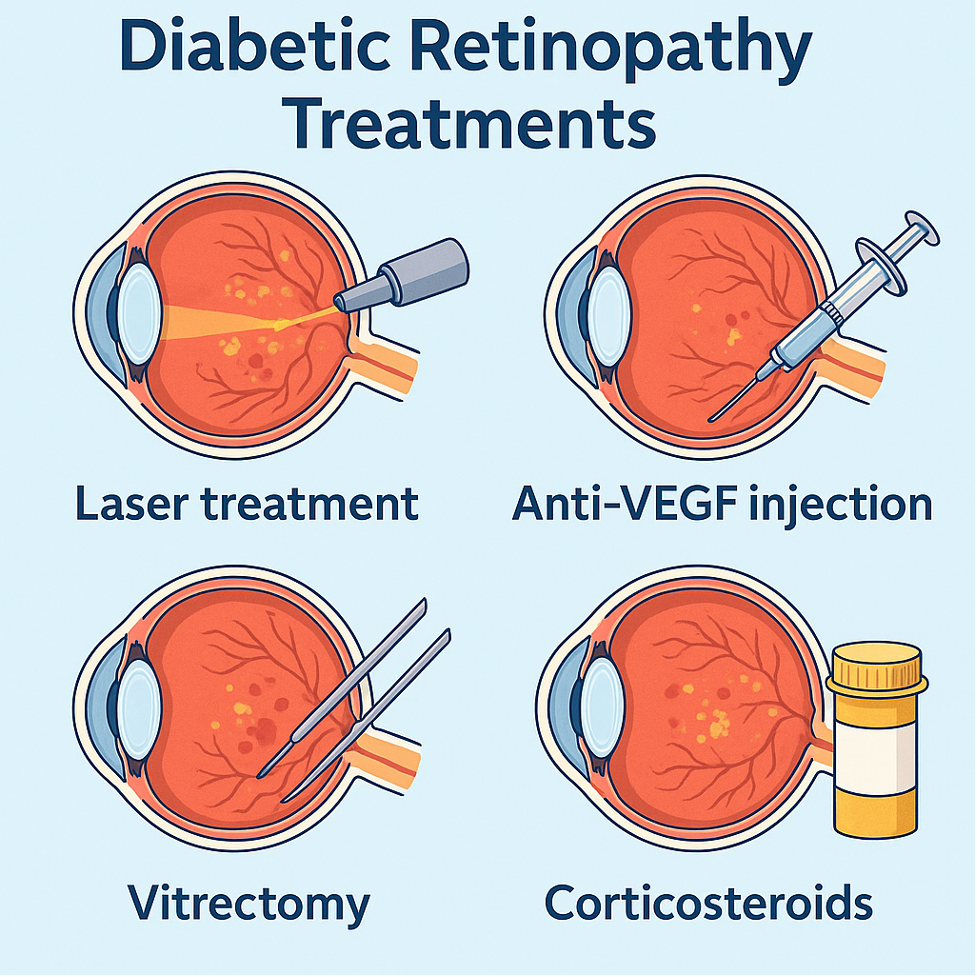
2. Anti-VEGF Injections
Anti-VEGF (vascular endothelial growth factor) medications are currently the most common treatment for diabetic retinopathy with macular edema or abnormal blood vessel growth.
These medications are injected directly into the eye, usually once a month in the beginning. Over time, the frequency may be reduced based on the patient’s response.
Common anti-VEGF drugs include:
- Aflibercept (Eylea)
- Ranibizumab (Lucentis)
- Bevacizumab (Avastin) (often used off-label but widely trusted)
How they work:
They block a protein that triggers the growth of abnormal blood vessels in the retina. This helps reduce swelling, prevent bleeding, and protect central vision.
What to expect:
The injection is performed under local anesthesia and takes only a few minutes. Many patients notice stabilization or improvement in vision after a few treatments, though regular follow-up is necessary.
3. Steroid Injections or Implants
For patients who do not respond well to anti-VEGF therapy or are unable to continue it, corticosteroid injections may be considered. These reduce inflammation and swelling in the retina.
Steroids may be delivered in two forms:
- Intravitreal injections (short-term relief)
- Slow-release implants such as Ozurdex or Iluvien (longer-term effects)
While effective in reducing macular edema, steroids carry a higher risk of side effects, including elevated eye pressure and cataract development. Eye pressure must be monitored closely.
4. Focal/Grid Laser Photocoagulation
Laser therapy has been used for decades in the treatment of diabetic eye disease. Although anti-VEGF injections are more common now, laser remains an important tool in certain cases.
Types of laser treatment:
- Focal/grid laser is used for treating small leaking blood vessels, especially in diabetic macular edema.
- Panretinal photocoagulation (PRP) is used for proliferative diabetic retinopathy, where abnormal blood vessels form and pose a risk of bleeding.
How it works:
The laser targets areas of the retina to seal off leaks or reduce oxygen demand in the retina, which can help stop abnormal vessels from growing.
What to expect:
Laser treatment is usually done in a clinic setting. It may cause mild discomfort or blurry vision for a short time, but it helps reduce long-term risks of severe vision loss.
5. Vitrectomy Surgery
In advanced stages of diabetic retinopathy, where there is bleeding (vitreous hemorrhage), retinal detachment, or extensive scar tissue, surgery may be necessary.
Vitrectomy is a procedure that removes the gel-like vitreous inside the eye and replaces it with a clear fluid or gas. It also allows the surgeon to remove scar tissue and repair the retina.
When is it recommended?
- Persistent bleeding in the eye
- Scar tissue causing retinal detachment
- Severe traction on the retina that affects vision
Recovery:
Patients may need to position their head a certain way after surgery, depending on the technique used. Vision may take weeks or months to improve.
Tailored Treatment Plans and Follow-up Care
Each case of diabetic retinopathy is unique. Eye doctors will recommend a treatment plan based on several factors including:
- The severity of retinal damage
- Whether swelling (macular edema) is present
- Response to previous treatments
- Overall health and diabetes management
Most treatment plans also require frequent follow-ups. Regular monitoring is important to track progress, catch new changes early, and adjust care as needed.
Living with Diabetic Retinopathy: Support and Vision Tools That Can Help
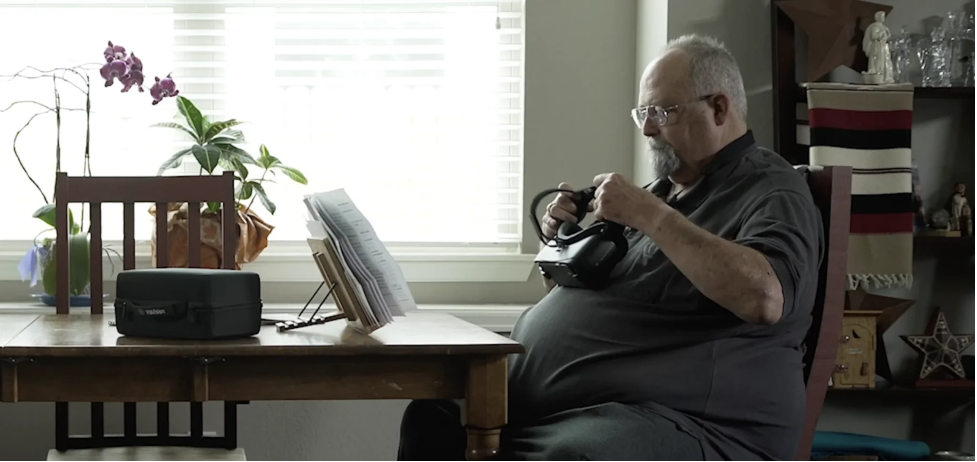
Diabetic retinopathy can change the way you experience the world. As the condition progresses, even after treatment, some level of vision loss may remain. While medical interventions aim to slow or stop the damage, many people still need long-term support to adapt to their changing vision.
This is where low vision care becomes essential.
Understanding the Impact of Vision Loss
Diabetic retinopathy can change the way you experience the world. As the condition progresses, even after treatment, some level of vision loss may remain. While medical interventions aim to slow or stop the damage, many people still need long-term support to adapt to their changing vision.
This is where low vision care becomes essential.
Understanding the Impact of Vision Loss
Vision loss from diabetic retinopathy can affect daily routines and emotional well-being. People may find it difficult to:
- Read printed materials or medication labels
- Recognize faces or facial expressions
- Drive or walk safely, especially at night
- Use computers, smartphones, or other digital devices
- Maintain independence and confidence in public spaces
These challenges are common, and adjusting to them takes time. But with the right support, many people find new ways to live fully and independently.
What is Low Vision Rehabilitation?
Low vision rehabilitation is a process that helps individuals make the most of their remaining sight. It is not about curing vision loss but about learning to live with it effectively.
Rehabilitation often involves:
- Training in new visual strategies and techniques
- Learning how to use lighting and contrast to improve visibility
- Practicing ways to move around safely and confidently
- Emotional support and counseling
- Introduction to assistive technologies and tools
A low vision specialist typically leads this process. They assess your vision, lifestyle, and goals, then recommend tools and strategies tailored to your needs.
Assistive Devices for Diabetic Retinopathy
There are a range of tools available for people with diabetic retinopathy. These include:
- Optical magnifiers
- Large-print materials
- High-contrast labels and clocks
- Screen readers and magnification software
- Wearable low vision devices designed to enhance functional vision
These aids allow people to regain access to tasks they may have stopped doing—like reading, writing, watching TV, or navigating unfamiliar places.
To explore more about these tools, see IrisVision’s guide here:
Low Vision Solutions for Diabetic Retinopathy
How IrisVision Can Help
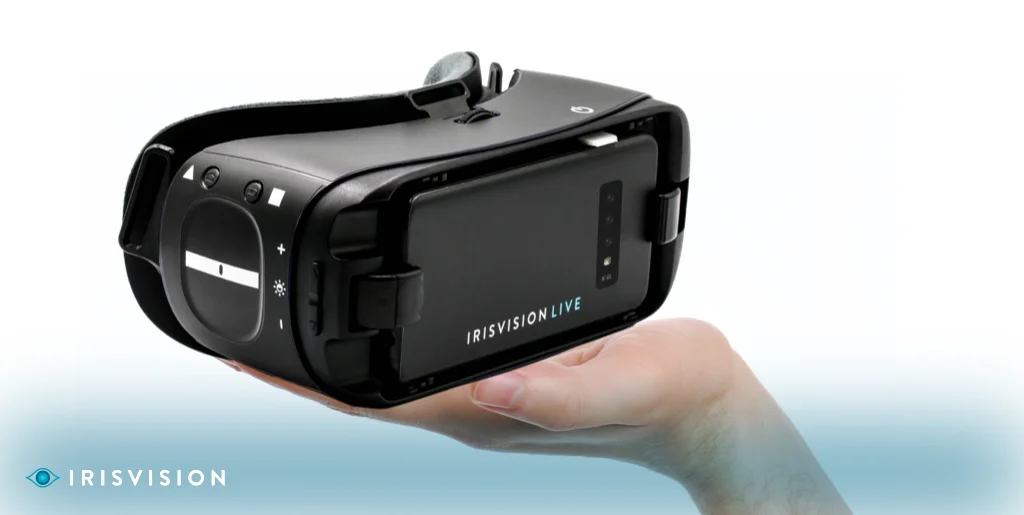
IrisVision is a wearable low vision aid developed in collaboration with vision experts and medical institutions. It is designed to support people with conditions like diabetic retinopathy by enhancing their usable vision in real time.
The latest version, IrisVision Vista, offers an even more refined and accessible experience. It combines wide-field magnification with personalized viewing modes, making it easier to adapt to different environments and tasks.
With IrisVision Vista, users can:
- Read books, labels, and mail with adjustable magnification
- Recognize faces clearly, even in low-light settings
- Watch TV and enjoy visual media
- Navigate around the home and in public spaces
- Stay engaged with work, hobbies, and social life
The device is lightweight, easy to use, and designed to be worn comfortably for extended periods. It does not restore lost vision, but it can make the most of what remains, helping people live with greater independence and confidence.
Many individuals with diabetic retinopathy already rely on IrisVision as part of their vision care plan. It serves not only as a tool, but also as a bridge back to everyday life.
Final Thoughts
Diabetic retinopathy can feel uncertain and overwhelming, but it does not have to define your future. With regular eye exams, proper diabetes management, and timely medical treatment, many people are able to protect and preserve their vision.
For those who experience vision changes, support is available. Low vision rehabilitation, assistive tools, and wearable technologies like IrisVision Vista can help you stay connected to the people, places, and routines that matter most.
If you or someone you care about is living with diabetic retinopathy, know that you are not alone. With the right care and tools, it is possible to adapt and continue living a full, independent life.